




Contents
- Introduction
- The Role of GLP-1s in Weight Management
- Understanding Weight Regain
- The Risks of Unauthorized GLP-1 Usage
- Potential Consequences of Self-Medication
- The Importance of Medical Supervision
- Key Takeaways
- Zone Insider Disclaimer
Introduction
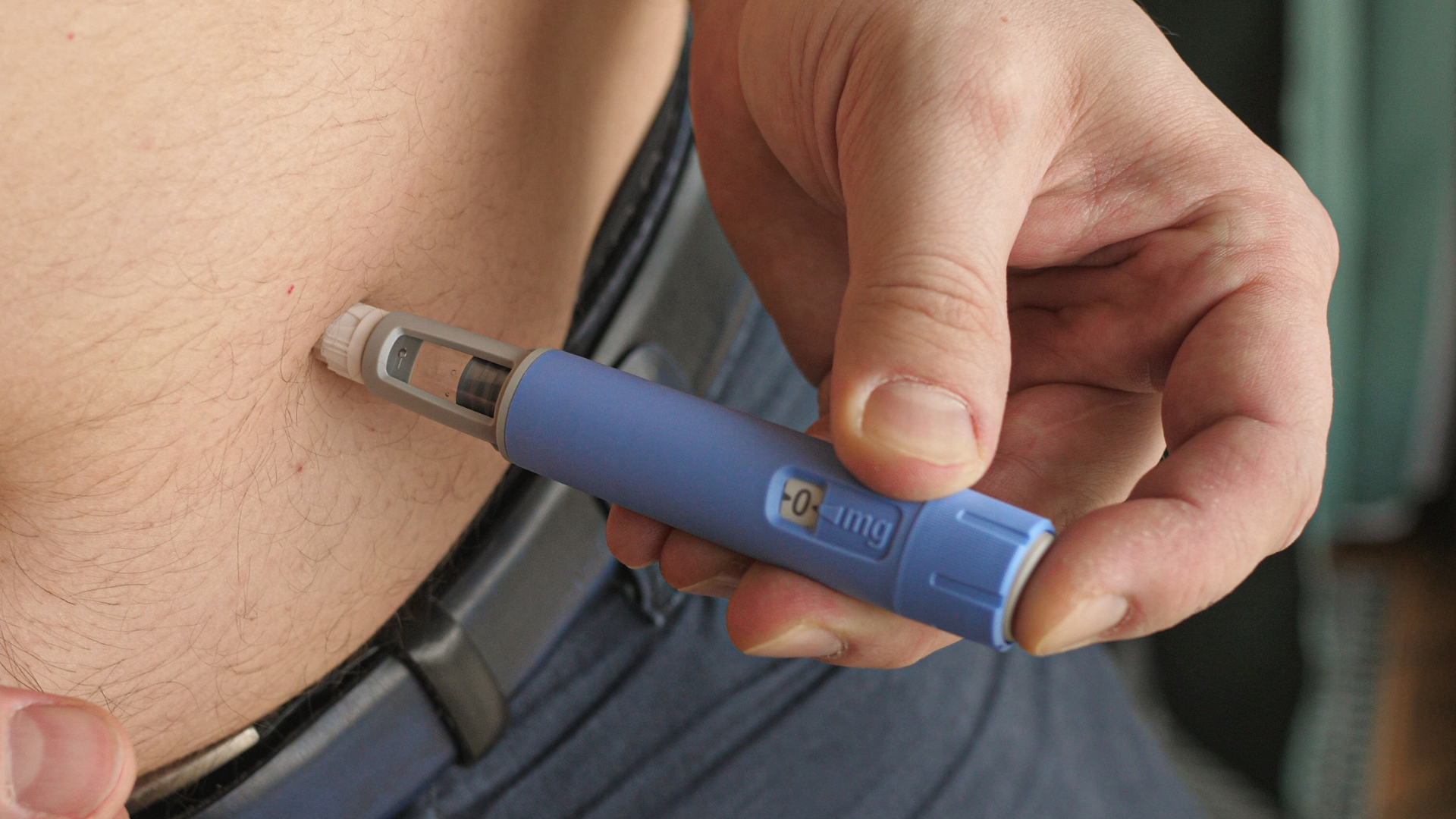
Self-medication can be tempting, especially for weight loss. However, when it comes to using GLP-1 and GLP-1/GIP receptor agonists (GLP-1s) for weight management, the risks of self-medication should not be ignored. In this article, we delve into the dangers of self-medicating with GLP-1s without proper medical supervision, highlight the potential risks of weight regain, and discuss the importance of seeking professional guidance, including detailed body fat analysis to better understand individual health needs.The Role of GLP-1s in Weight Management
GlP-1 and GLP-1/GIP are medications that are typically prescribed for individuals managing conditions like obesity or type 2 diabetes. These medications work by targeting the
GLP-1 receptor, which helps regulate appetite, slows down stomach emptying, and ultimately aids in weight loss. Many GLP-1s, such as Ozempic, Wegovy, Mounjaro, and Rybelsus, have been developed to assist in weight management.
Understanding Weight Regain
Weight regain is a common concern after achieving weight loss, and it can be even more challenging for those who self-medicate with GLP-1s. Weight regain occurs when an individual regains the weight they previously lost, and it can be a result of various factors such as hormonal changes, metabolic adaptations, and lifestyle choices. In clinical trials, patients regained two-thirds of their baseline body weight after a year of medication withdrawal.
For those considering these options, it’s essential to explore Mounjaro injections in Dubai under the guidance of a healthcare professional to ensure safe and effective weight management.
The Risks of Unauthorized GLP-1 Usage
Self-medicating with GLP-1s can have serious implications for long-term health. Without proper medical supervision, individuals may not receive the necessary guidance on dosing, potential side effects, and overall management. This can lead to misuse, improper dosage, and potential complications. It is essential to consult with a healthcare professional before making any decisions regarding medication usage.
Potential Consequences of Self-Medication
Self-medication with GLP-1s without proper guidance can potentially lead to weight regain. The dosage and administration of GLP-1s need to be closely monitored by medical professionals to ensure effectiveness and minimize risks. Additionally, medical supervision allows for personalized treatment plans that take into account individual factors such as weight loss goals, health conditions, and lifestyle choices. Without this guidance, it becomes challenging to maintain the desired weight loss and manage the factors contributing to weight regain.
The Importance of Medical Supervision
Seeking medical supervision when considering GLP-1 treatment is crucial for achieving optimal results and minimizing potential risks. Healthcare professionals can provide individualized
treatment plans, monitor progress, address concerns, and make necessary adjustments to ensure the best possible outcome. They can also guide patients in maintaining a healthy weight beyond the initial weight loss phase by advising on diet and exercise, monitoring overall health, and managing any underlying health conditions.
Key Takeaways
Self-medication with GLP-1s for weight management without proper medical supervision can lead to weight regain and other complications.
- Weight Regain: Without appropriate medical oversight, you may not receive the necessary guidance on dosage adjustment, nutritional support, and lifestyle modifications that are crucial for long-term weight management success. As a result, weight loss achieved through self-medication may not be sustainable, and you may experience weight regain once you discontinue or misuse the medication.
- Complications and Adverse Effects: These medications come with potential side effects and risks, including nausea, vomiting, diarrhea, and pancreatitis. By self-medicating without medical supervision, you may not be aware of the appropriate monitoring and management of these potential complications. Additionally, certain pre-existing medical conditions or medications may contraindicate the use of GLP-1s, and without professional evaluation, there is an increased risk of adverse effects and potential harm.
It is crucial to consult healthcare professionals to develop personalized treatment plans that include GLP-1s, considering factors such as dosage, monitoring, lifestyle modifications, and overall health. By doing so, individuals can achieve sustainable weight loss, reduce the risks associated with self-medication, and maintain a healthy weight in the long term.
Zone Insider Disclaimer
This article provides information only and should not be considered medical advice. Always consult your doctor before starting any new medication or making changes to your diet or exercise routine.